
Fall Vaccines 65+
Four vaccines, one plan, no guesswork.
How a concierge physician coordinates flu, COVID, RSV, and pneumonia vaccines for adults 65+ each fall.
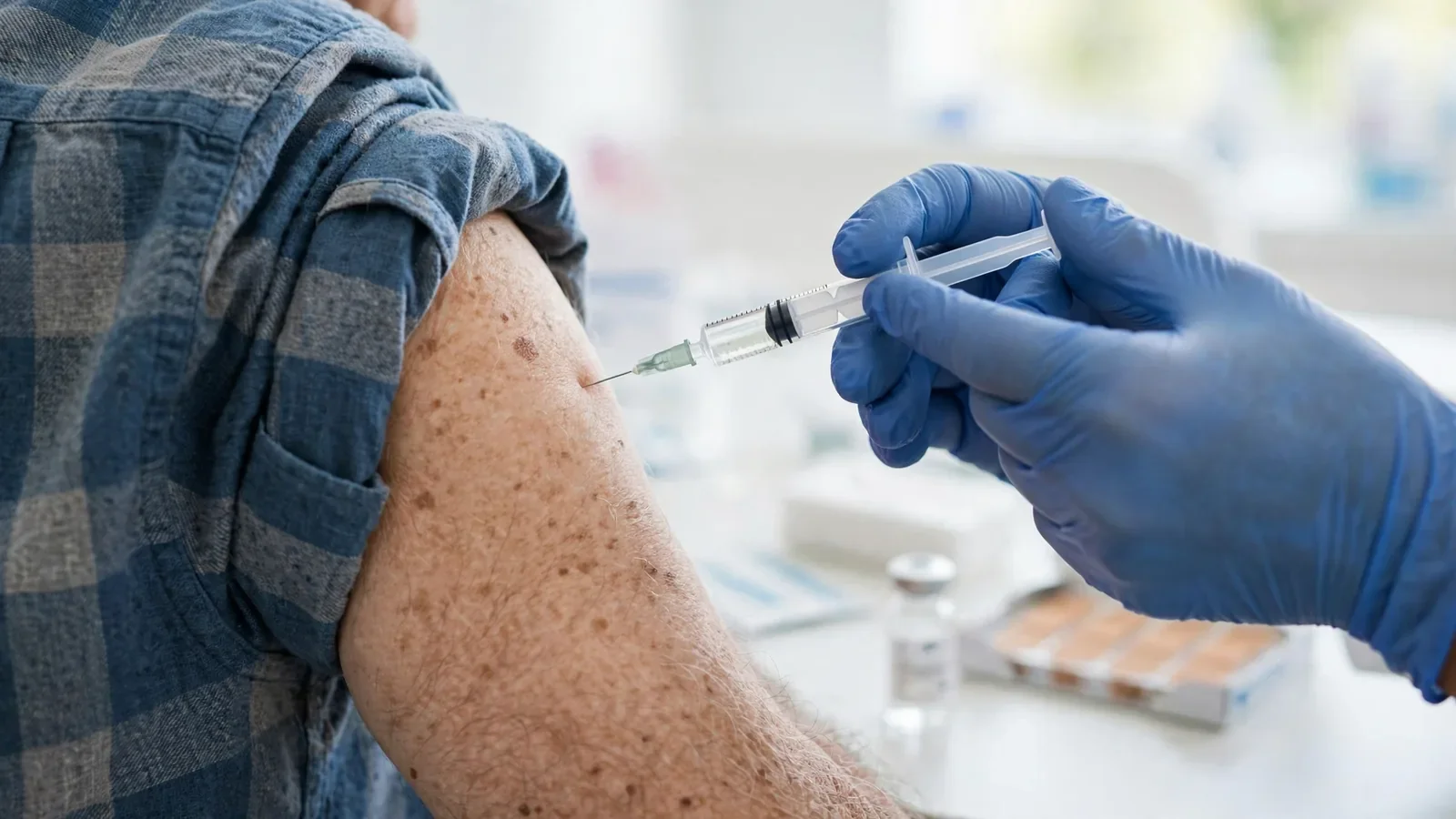
Every fall, adults over 65 face the same scattered question: which vaccines do I need this year, and where do I get them? The flu shot comes from the pharmacy, COVID guidance seems to change every season, and many people have never heard of the RSV vaccine at all. The result is that protection gets piecemeal, and some vaccines get skipped entirely.
There is a better way to think about it: one doctor, one plan, four vaccines. Here is how they fit together.
Flu: the yearly anchor
Flu: the yearly anchor
The seasonal flu vaccine remains the foundation of fall protection for older adults. Flu hospitalizes hundreds of thousands of Americans each year, and adults 65 and older account for the majority of flu-related hospitalizations and deaths. The vaccine is updated annually to match circulating strains, which is why it is needed every fall. Higher-dose formulations are available for adults 65 and older; talk to your physician about which formulation fits you.
COVID-19: still part of the
COVID-19: still part of the picture
COVID has settled into a seasonal pattern alongside flu, and updated vaccines are released to match circulating variants. Older adults remain at higher risk of severe illness, and staying current matters especially before holiday gatherings and winter travel. If you are unsure whether you are up to date, your physician can review your vaccine history and advise on timing.
RSV: the one many seniors
RSV: the one many seniors miss
Respiratory syncytial virus is widely thought of as a childhood illness, but it hospitalizes an estimated 110,000 to 180,000 adults ages 50 and older in the U.S. each year. Current CDC guidance recommends a single dose of RSV vaccine for all adults 75 and older, and for adults ages 50 to 74 who are at increased risk of severe RSV illness due to conditions such as chronic heart or lung disease, a weakened immune system, or nursing home residence. The RSV vaccine is not currently an annual vaccine: if you have already received one dose, you do not need another at this time. Late summer and early fall is the best time to get it, before RSV season begins.
Pneumococcal: now recommended starting at
Pneumococcal: now recommended starting at 50
In October 2024, the CDC lowered the recommended age for pneumococcal vaccination from 65 to 50. All adults 50 and older are now recommended to receive a pneumococcal vaccine, which protects against pneumonia, meningitis, and bloodstream infections caused by Streptococcus pneumoniae. Many adults in their 50s and 60s do not realize they are now eligible, so if you are in that range and never received the vaccine, this fall is the time to ask. Typically only one dose is needed in adulthood, though your physician can confirm based on your history.
Why one coordinated plan beats
Why one coordinated plan beats four separate errands
Each of these vaccines has its own schedule, its own eligibility rules, and its own timing. Managing them across a pharmacy, an urgent care clinic, and a doctor's office is how doses get missed or duplicated. When one physician coordinates the full plan, your vaccine record lives in one place, timing is sequenced sensibly (some vaccines can be given at the same visit), and nothing falls through the cracks. That coordination is especially valuable for snowbirds and frequent travelers, whose records are often split across states.
Timing it right: one fall
Timing it right: one fall visit can cover most of it
The best time to plan is early fall, September or October, before respiratory viruses start circulating widely. Flu and COVID vaccines can be given at the same visit, and your physician can sequence the rest around them. If you have not had an RSV or pneumococcal vaccine and are eligible, those can often be handled in the same appointment or a quick follow-up, so you are not making four separate trips. Bring whatever vaccine records you have, especially if you received shots at a pharmacy or while traveling, so nothing gets duplicated or missed. A single planning conversation in early fall is usually all it takes to have the season covered.
What to do this fall
What to do this fall
- Ask your physician to review your vaccine history and confirm what you are due for.
- Plan your flu and COVID vaccines for early fall, before respiratory season peaks.
- If you are 75 or older, or 50 to 74 with risk factors, and have never had an RSV vaccine, ask whether you are a candidate.
- If you are 50 or older and have never had a pneumococcal vaccine, ask about it.
- Keep a single record of what you received and when.
This information is general guidance, not medical advice for your specific situation. Talk to your physician about which vaccines are appropriate for you, given your age, health history, and prior vaccinations.
Keep Reading
Related guides from our practice
Frequently Asked Questions
Frequently asked questions
Can I get the flu and COVID vaccines at the same visit?
Yes. Current guidance allows flu and COVID vaccines to be given together, and many patients prefer one trip. Side effects may be slightly more noticeable when vaccines are combined, but for most older adults the convenience outweighs that. Talk to your physician about the best plan for you.
Do I need the RSV vaccine every year?
No. The RSV vaccine is not currently an annual vaccine; one dose is the recommendation for eligible adults. CDC guidance recommends a single dose for all adults 75 and older, and for adults 50 to 74 at increased risk of severe RSV. If you already received one dose, you do not need another at this time.
Who needs the pneumonia vaccine now?
Since October 2024, the CDC recommends pneumococcal vaccination for all adults 50 and older, lowered from 65. It protects against pneumonia, meningitis, and bloodstream infections. Many adults in their 50s and 60s do not know they are now eligible. Ask your physician to confirm based on your vaccine history.
Are fall vaccines covered by Medicare?
Generally yes. Flu, COVID, and RSV vaccines are typically covered under Part D or preventive benefits, and pneumococcal vaccines are covered under Part B, usually at no cost to you. Coverage details can shift, so confirm with your plan or pharmacy before your visit if cost is a concern.
When is the best time to get fall vaccines?
Early fall, September or October, before respiratory viruses circulate widely. Getting vaccinated too early in summer can mean waning protection late in the season, while waiting until December leaves you exposed during the peak. One planning visit in early fall can cover most of your seasonal vaccines at once.
Can I get a flu shot if I have an egg allergy?
Most people with egg allergy can safely receive the flu vaccine. Current guidance says even those with severe egg allergy can be vaccinated in a medical setting equipped to handle reactions. Tell your physician about the allergy beforehand so the setting and monitoring are appropriate. Talk to your physician about your specific history.
Before Flu Season Peaks
One visit sets your whole fall vaccine plan.
Schedule a free consultation with Dr. Abeer Aziz-Siddiqui, DO, Board-Certified Internal Medicine Physician, Co-Founder and Chief Medical Officer of Palm Beach Concierge Medicine.
This article is for general education and is not a substitute for individualized medical advice, diagnosis, or treatment. Coverage, insurance, and tax details can change and vary by plan; confirm specifics with your plan, physician, or a qualified advisor. If you are having a medical emergency, call 911.
