
Telehealth vs Urgent Care vs ER
When you feel unwell, knowing where to go matters.
A Boca Raton concierge physician can help you decide when telehealth is enough, when you need to be seen in person, and when the emergency room is the safest choice.

It is 7 p.m. on a Sunday and something is wrong. Not obviously an emergency, but not nothing either. For most people, the next decision is a guess: wait it out, drive to urgent care, or go sit in an emergency room for four hours. That guess is expensive, and sometimes it is dangerous.
Here is a clearer way to think about it, and where a concierge physician changes the calculation entirely.
The goal is not to avoid the emergency room when you truly need it. The goal is to have a physician-led path that helps you make the right choice quickly.
Emergency Warning Signs
Go to the emergency room, without hesitating
Some symptoms are not a judgment call. Call 911 or go to the nearest emergency room when symptoms suggest a serious or time-sensitive problem.
- Chest pain or pressure, or pain radiating to the arm, neck, or jaw.
- Sudden weakness or numbness on one side, facial droop, confusion, or trouble speaking, which can signal a stroke.
- Trouble breathing or shortness of breath at rest.
- A severe allergic reaction, severe bleeding, a serious injury, or loss of consciousness.
- Sudden, severe pain of any kind that is unlike anything you have felt.
When in doubt with symptoms like these, err toward the emergency room. Minutes matter for heart attack and stroke, and no one will fault you for going.
Telemedicine Appointments
Telehealth handles more than people expect
For a large share of everyday concerns, a virtual visit is genuinely the right tool. According to the U.S. Department of Health and Human Services, telehealth is well suited to many common issues, and for our patients it works especially well because the physician on the other end already knows your history.
Typical fits include colds, sinus symptoms, sore throats, and other routine infections, rashes and skin concerns that can be seen on camera, medication questions, dose adjustments and refills, reviewing lab or test results, and follow-up on an ongoing condition.
Our telemedicine appointments can also help determine whether something needs an in-person look.
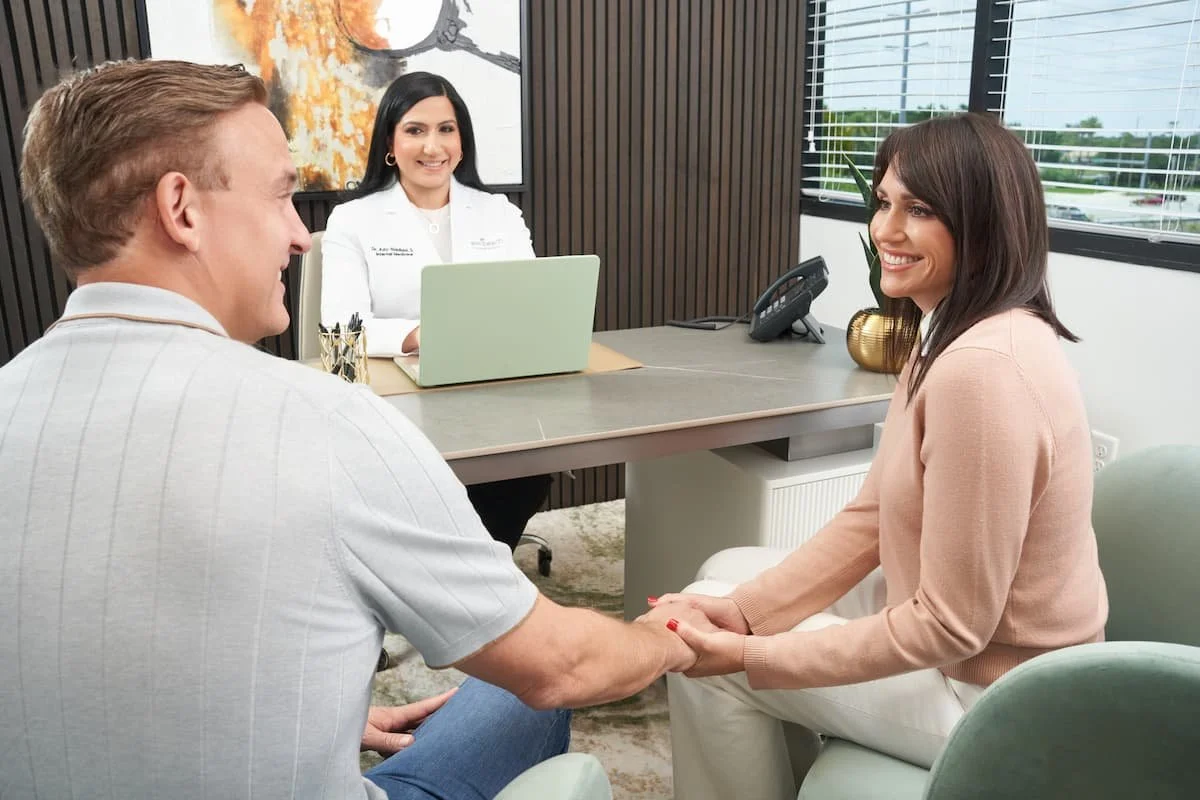
Common Virtual Visit Fits
When a video visit may be the right first step
Not every concern needs an exam room first. Many everyday questions can be evaluated quickly when your physician knows your history.
Routine infections
Colds, sinus symptoms, sore throats, and other common symptoms may be appropriate for a virtual visit depending on severity and risk factors.
Visible skin concerns
Rashes and certain skin concerns can often be reviewed by camera to decide whether treatment or an in-person exam is needed.
Medication questions
Dose questions, side effects, medication changes, and refill needs can often be handled efficiently through telehealth.
Results and follow-up
Lab results, test review, and follow-up for ongoing conditions can be reviewed virtually when a physical exam is not needed.
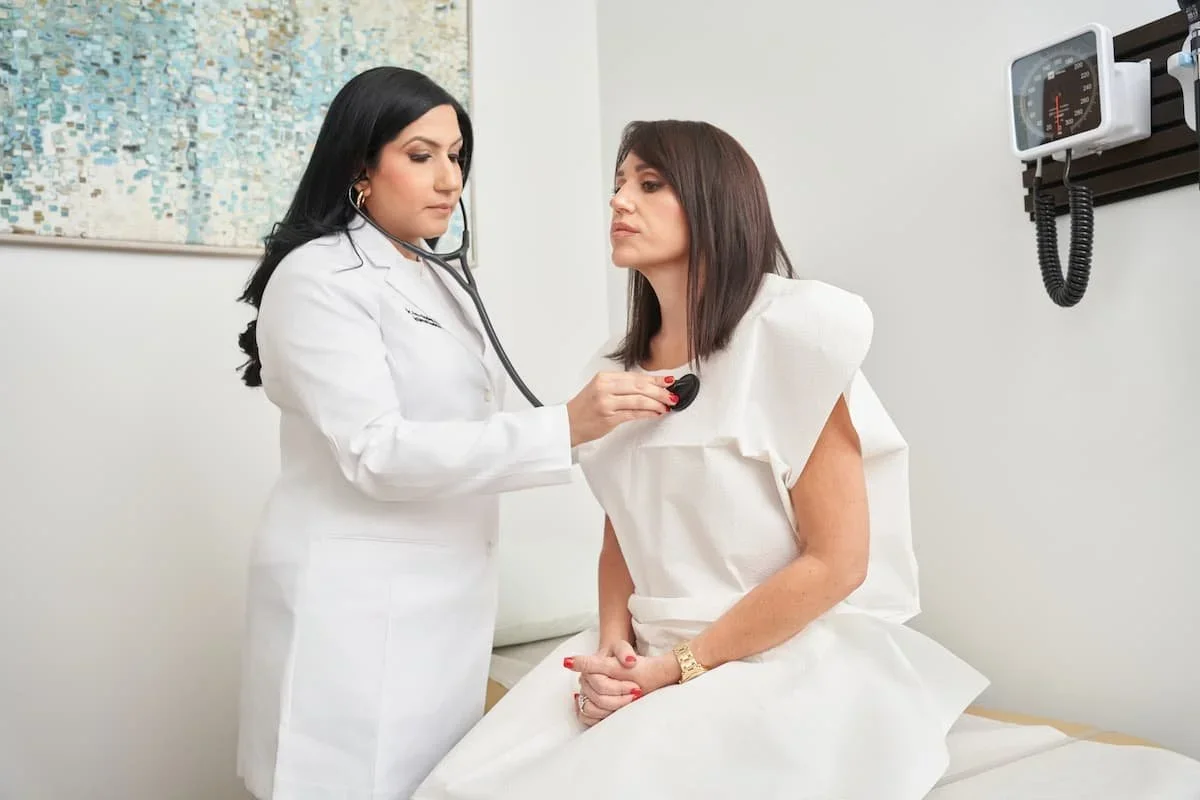
Same-Day Sick Visits
When you should be seen in person
Some things need hands, not a camera. An in-person visit makes sense when a physician needs to listen to your chest, examine an injury, take a swab or blood, or evaluate abdominal pain. It is also the right call when a virtual visit leaves any real uncertainty.
This is where the concierge model quietly solves the original problem. A same-day or next-day appointment with your own physician removes the false choice between waiting days for an opening and sitting in an emergency room for something that was never an emergency.
Our same-day sick visits give patients a clearer path when a concern needs an exam, testing, or a more hands-on evaluation.
Direct Physician Access
The fastest first move is usually a phone call
For our patients, the answer to where should I go is almost always: ask. A short call or message to your physician sorts it out in minutes. Sometimes the answer is come in this morning. Sometimes it is let us do this by video. Sometimes it is go to the emergency room now, and that clarity is worth a great deal.
That is the practical value of 24/7 physician access, same-day sick visits, and telemedicine appointments, and when a specialist is needed, care coordination means you are not left to arrange it alone.
For patients looking for concierge primary care in Boca Raton, that direct line can make care feel calmer, faster, and much less confusing.
External Resources
Helpful resources for telehealth decisions
These federal telehealth resources can help patients understand what can often be handled virtually and how telehealth can fit into everyday care.
Frequently Asked Questions
Questions about telehealth, same-day visits, and the ER
What can actually be treated by telehealth?
A great deal, including routine infections, rashes, medication questions, results review, and follow-up on ongoing conditions. Anything needing a physical exam or testing usually calls for an in-person visit.
How do I know if it is a real emergency?
Chest pain, stroke symptoms, trouble breathing, severe bleeding, severe allergic reaction, or sudden severe pain mean call 911 or go to the emergency room. Do not wait to weigh options.
Can I just call my concierge physician first?
Yes, and for most non-emergencies that is the fastest path. Your physician can tell you within minutes whether you need to come in, do a video visit, or go to the ER.
Know Where to Go
Concierge care means you never have to guess where to go.
One call to a physician who knows you sorts it out, whether that means a video visit, a same-day appointment, or the emergency room.
This article is for general education and is not a substitute for individualized medical advice, diagnosis, or treatment. Always talk with a qualified physician about your specific health needs. If you are having a medical emergency, call 911.
