
Prediabetes: Your Window to Prevent Type 2 Diabetes
Prediabetes Boca Raton
Prediabetes is a warning, not a verdict.
When blood sugar starts rising, there is often still time to change the path. A Boca Raton concierge physician can help you catch prediabetes early, understand your numbers, and build a plan before type 2 diabetes develops.
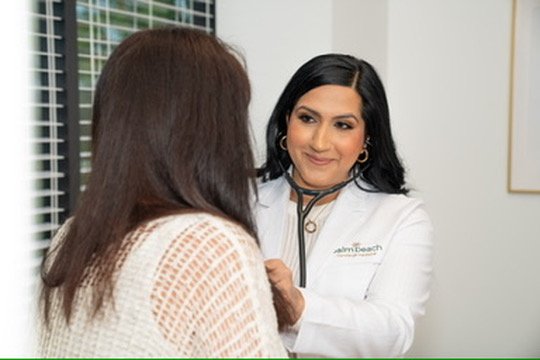
Prediabetes is one of the most important diagnoses in medicine precisely because it is a warning, not a verdict. It means your blood sugar is higher than normal but not yet in the diabetes range, and it is a window during which the path can often be changed.
The challenge is that most people who have it do not know.
That is why routine bloodwork, careful follow-up, and a physician who knows your history matter. Prediabetes is often found before symptoms appear, and that early timing is what makes it so important.
Early Detection
How common, and how quiet
According to the CDC, more than 2 in 5 U.S. adults have prediabetes, and many do not know they have it. It usually has no symptoms, which is why routine bloodwork matters so much.
An A1C or fasting glucose test can catch prediabetes long before you would notice anything. That matters because early detection gives you a chance to act while the condition may still be reversible or delayable.
At Palm Beach Concierge Medicine, blood sugar review can be part of preventive health screenings, executive health visits, and ongoing primary care. The goal is not to wait until diabetes develops. The goal is to see the pattern early.


Prevent Type 2 Diabetes
Why it is worth catching early
Prediabetes raises the risk of type 2 diabetes, heart disease, and stroke. But it is also remarkably responsive to change.
The CDC notes that modest weight loss and regular activity can cut the risk of progressing to type 2 diabetes roughly in half. The American Diabetes Association also emphasizes that early care, healthy choices, and treatment when appropriate can help prevent or delay type 2 diabetes.
This is why prediabetes should not be treated as a small note in a lab portal. It deserves a clear conversation, a practical plan, and follow-up over time.
Early Action Plan
What early action looks like
Prediabetes prevention works best when it is specific, measurable, and realistic enough to keep.
Know your numbers
Routine testing can include A1C, fasting glucose, and related markers such as cholesterol, blood pressure, weight trend, and kidney function.
Make modest, sustained changes
The target does not need to be dramatic. For many people, small sustained changes in weight, nutrition, activity, and sleep can move blood sugar in the right direction.
Move regularly
Regular activity, often around 150 minutes a week of brisk movement, helps improve how the body uses glucose and supports weight, blood pressure, and heart health.
Follow the trend
One lab result is a snapshot. Repeated testing over time shows whether the plan is working and whether anything needs to be adjusted.
Risk Factors to Review
What can raise your risk for prediabetes
Prediabetes is not always obvious from the outside. Risk depends on a mix of family history, age, weight, activity, blood pressure, cholesterol, sleep, and other health factors.
- A family history of type 2 diabetes.
- Weight gain or increased waist circumference, especially when paired with higher blood pressure or cholesterol.
- Low activity levels or long stretches of sitting.
- High blood pressure, abnormal cholesterol, or elevated triglycerides.
- History of gestational diabetes or polycystic ovary syndrome.
- Poor sleep, untreated sleep apnea, chronic stress, or medications that affect weight or blood sugar.
The point is not to assign blame. The point is to identify what can be measured, watched, and improved before diabetes develops.
Concierge Diabetes Prevention
Where this fits in ongoing care
This is exactly the kind of early, individualized work that chronic disease management and preventive health screenings are built for, and it is far easier when a physician has the time to follow you closely.
A concierge visit gives you more than a lab result. It gives you time to understand what your A1C means, how it compares with prior results, what risks may be driving it, and what steps are realistic for your actual life.
Our personalized wellness plans can help connect blood sugar, nutrition, movement, sleep, stress, weight, medications, and follow-up into one plan instead of scattered advice.
For patients looking for concierge primary care in Boca Raton, this kind of prevention is one of the strongest reasons to choose a physician relationship with more time and continuity.
External Resources
Helpful resources for prediabetes and diabetes prevention
These trusted resources can help patients understand prediabetes, risk factors, early action, and the importance of physician-guided prevention.
Prediabetes: Your Chance to Prevent Type 2 Diabetes
CDC guidance on what prediabetes is, why it matters, and how early action can reduce the risk of type 2 diabetes.
CDCPreventing Type 2 Diabetes
A CDC overview of prediabetes, prevention, risk testing, and lifestyle changes that can help delay or prevent type 2 diabetes.
American Diabetes AssociationPrediabetes Education and Treatment
ADA guidance on how early care, healthy choices, and treatment when appropriate can help prevent type 2 diabetes.
Frequently Asked Questions
Questions about prediabetes
How do I know if I have prediabetes?
Usually through routine bloodwork, since it rarely causes symptoms. An A1C or fasting glucose test can identify it, which is one reason regular screening matters.
Can prediabetes be reversed?
Often, yes. The CDC reports that modest weight loss and regular activity can cut the risk of progressing to type 2 diabetes by about half. Early, sustained action is what makes the difference.
What numbers are used to diagnose prediabetes?
Prediabetes is commonly identified through A1C, fasting glucose, or an oral glucose tolerance test. Your physician interprets those results in the context of your history, risk factors, and prior trends.
Does prediabetes always become type 2 diabetes?
No. Prediabetes increases the risk of type 2 diabetes, but progression is not inevitable. Early action, follow-up, and a realistic plan can reduce risk and sometimes return blood sugar markers toward a healthier range.
Catch Prediabetes Early
Prediabetes is a window, not a diagnosis to fear.
Schedule a free consultation to check your numbers and build a plan while there is still time to change the path.
This article is for general education and is not a substitute for individualized medical advice. Always talk with a qualified physician about your specific health needs. If you are having a medical emergency, call 911.
