
Hurricane Season Health Prep: Keeping Your Care Steady When a Storm Hits
Hurricane Season Health Prep
Keeping your care steady when a storm disrupts everything else.
A Boca Raton physician’s guide to medication planning, medical records, power-dependent equipment, and staying connected to care during hurricane season.

In South Florida, hurricane season runs from June through November, and the busiest stretch usually arrives in late summer and early fall. By July, prepared Boca Raton households are already set, not scrambling when a name shows up in the forecast cone. Most people plan for water, batteries, and shutters. Fewer plan for the health side, which is often the part that matters most for a family managing an ongoing medical condition.
Pharmacies close. Power goes out. Roads flood. Routine gets hard at exactly the moment that staying on top of your health matters most. Here is how to prepare so a storm disrupts your week without disrupting your care.
Medication Emergency Kit
Build a two-week medication buffer
The foundation of health preparedness is never running close to empty. When a storm is days away, pharmacies are slammed and supply chains tighten. Keep a buffer so a closure or an evacuation never leaves you rationing doses.
- Keep at least a two-week supply of every prescription on hand during peak season.
- Ask your physician about early refills before a storm is in the forecast, not after.
- Store medications in a waterproof, portable container you can grab if you evacuate.
- If a medication needs refrigeration, such as insulin, have a cooler and ice-pack plan ready for an extended power loss.
If you live with diabetes, hypertension, a thyroid condition, or another ongoing diagnosis, your physician can help you set this buffer up as part of routine chronic disease management, so it is handled before the season gets busy.
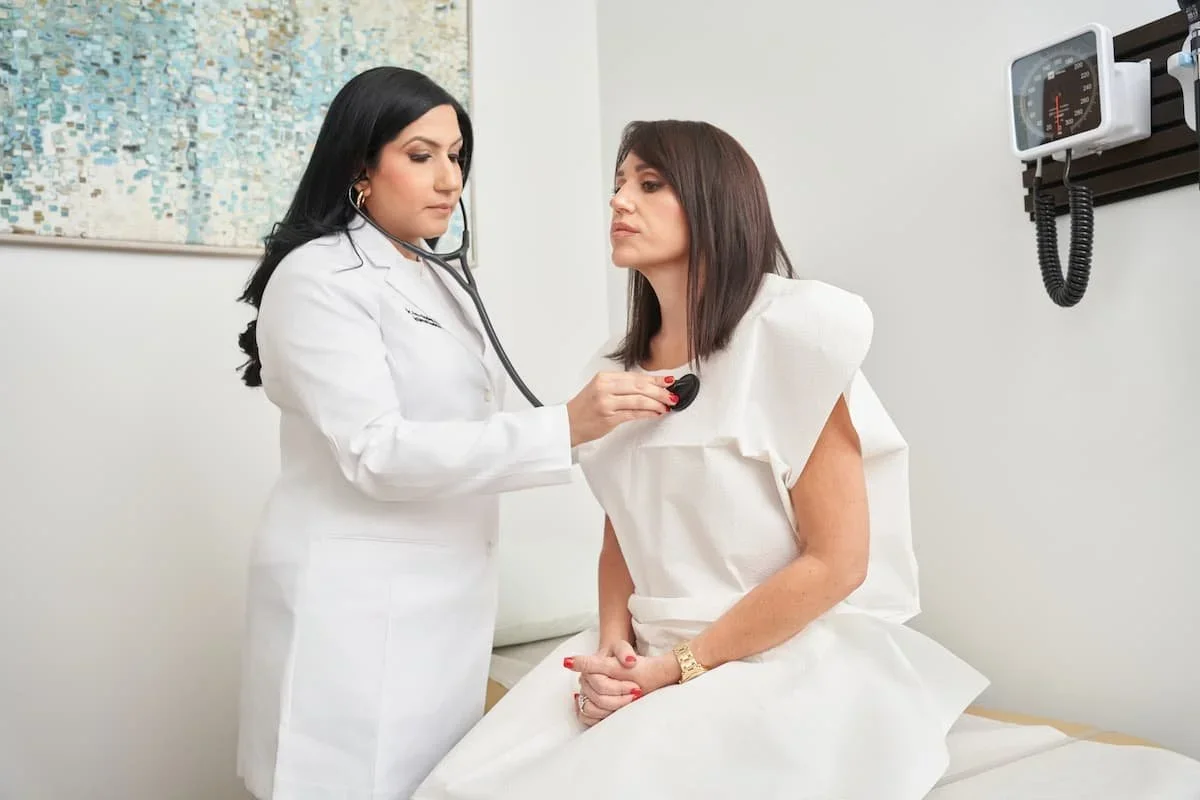
Medical Records Storm Prep
Get your medical records storm-ready
If you have to evacuate or seek care somewhere unfamiliar, the providers you meet will not have your history. A simple, portable health summary fills that gap.
Medication list
A current medication list with doses and pharmacy information.
Health summary
A short summary of your conditions, allergies, and recent test results.
Physician contact
Your physician’s direct contact information.
Key documents
Copies of your insurance card and ID, stored physically in a waterproof bag and digitally in a secure cloud or password manager.
One advantage of concierge care during an emergency is that your physician can help coordinate by sharing records, calling in prescriptions, and helping you figure out where to go. That is the role our care coordination and referrals service plays year round, and it becomes especially valuable in a crisis.

Power-Dependent Medical Needs
Plan for power-dependent needs
If anyone in your household relies on equipment that needs electricity, such as a CPAP machine, oxygen concentrator, nebulizer, or refrigerated medication, build your plan around extended outages now.
- Know your options ahead of time: a backup power source, a medically appropriate shelter, or a plan to relocate to a location with power.
- Florida residents with power-dependent medical needs can register with their county special-needs program in advance.
- Talk with your physician about a contingency plan specific to your equipment and condition.
Continuity During a Storm
Do not skip care because of the storm
After a storm, normal routines take time to come back, but health needs do not pause. This is where having a physician you can actually reach changes the experience. Telemedicine appointments often work even when getting to an office does not, and direct access means a question about a missed dose or a new symptom gets answered quickly instead of waiting for systems to recover.
Storms are stressful, and stress affects health. Blood pressure, sleep, and chronic symptoms can all flare. A brief check-in with your physician during a rough stretch is not an overreaction. It is the kind of continuity that keeps a hard week from turning into a health setback.
For members of our concierge primary care in Boca Raton practice, the goal is simple: keep care steady even when the weather is not.
Seasonal Planning
A simple seasonal timeline
You do not have to do everything at once. Spread it across the season.
Early summer
Set up your medication buffer and put together your portable health summary.
When a storm enters the forecast
Refill anything running low, charge devices, and confirm your evacuate-with-medications plan.
After the storm
Check in with your physician about any missed medications, new symptoms, or stress-related flares.
External Resources
Hurricane health resources to review before the season gets busy
Ready.gov Hurricanes
Federal hurricane preparedness guidance for households and families.
Visit resourceCDC Prepare Your Health: Prescriptions
Prescription and medication planning guidance for emergencies.
Visit resourceFlorida Special Needs Registry
State guidance for residents with medical or power-dependent needs.
Visit resourceFrequently Asked Questions
Hurricane Season Health Prep FAQ
How much medication should I keep on hand during hurricane season?
A practical target is at least a two-week supply of every prescription, stored in a waterproof container you can take with you. Ask your physician about timing early refills before a storm is in the forecast.
What should be in a personal medical emergency kit?
A current medication list with doses, a brief summary of your conditions and allergies, your physician’s contact information, and copies of insurance and ID, kept both physically and digitally.
What if I depend on equipment that needs power?
Plan ahead for extended outages with a backup power option or a relocation plan, and register with your county special-needs program. Review a contingency plan with your physician that fits your equipment.
Prepare Before the Next Forecast
Hurricane season is easier when your care is already steady.
Talk with your concierge physician about a medication buffer and a personal storm-health plan before the next forecast, and keep a direct line to care all season long.
This article is for general education and is not a substitute for individualized medical advice, diagnosis, or treatment. Always talk with a qualified physician about your specific health needs. If you are having a medical emergency, call 911.
