
What to Look for in a Great Physician-Patient Relationship
Physician-Patient Relationship
What to look for in a doctor who truly knows you.
A strong physician-patient relationship is built on trust, communication, time, and access. Here are five qualities worth looking for when choosing a physician.

When it comes to your health, the relationship you have with your doctor can make all the difference. A strong physician-patient relationship is built on trust, communication, and partnership. If you are evaluating a new physician, or wondering whether your current one is the right fit, here are five qualities worth looking for.
The right doctor should do more than respond to symptoms. They should understand your story, explain your options clearly, and help guide your care over time.
What Matters Most
Five qualities that define a strong physician relationship
A great physician-patient relationship is not built on one impressive appointment. It is built through training, listening, clarity, follow-through, and access when you need guidance.
Care guided by the highest level of medical training
A physician's education involves years of rigorous study, residency training, and hands-on experience with complex cases. Beyond identifying symptoms, physicians are trained to understand the why, the underlying causes and mechanisms of disease, which lets them connect the dots across different parts of your health.
Having a physician lead your care, ideally one who is board-certified, means you are working with someone equipped to handle both routine concerns and intricate, multi-layered conditions.
Time and attention
One of the most common frustrations patients describe is feeling rushed. A good relationship means your doctor takes the time to understand your concerns, ask thoughtful questions, and explain their reasoning.
You should never feel like you are on the clock when you are discussing something as important as your health.
Active listening
Your doctor should hear more than your symptoms. They should hear your story. Feeling genuinely heard means your input is taken seriously and your concerns are not dismissed or interrupted.
That kind of listening builds trust and ensures your care plan reflects you as a whole person, not a checklist of problems.
Clarity and guidance
Medicine can be complex, and it is easy to feel overwhelmed by terminology or treatment options. A great physician explains things clearly, confirms your understanding, and makes sure you leave each visit knowing your next steps.
You should feel empowered to make informed decisions, not left wondering what comes next.
Accessibility without guilt
You should never feel like reaching out is bothering your doctor. Whether it is a question about a new medication or a test result, your physician should make it easy and comfortable to connect between visits.
That is a defining feature of concierge primary care, where 24/7 physician access and same-day sick visits mean your peace of mind does not have to wait for the next appointment.
Unhurried Care
A better visit starts with enough time to listen.
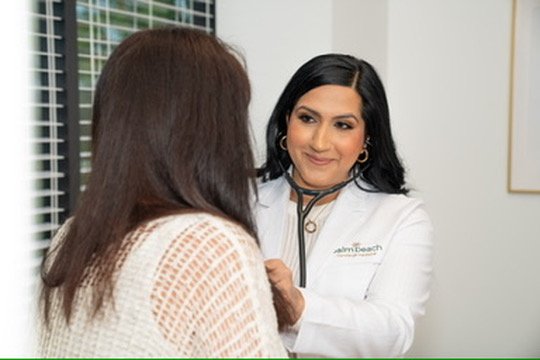
In a rushed visit, patients often leave with unanswered questions or concerns they did not have time to explain. In a stronger physician-patient relationship, the conversation has room to breathe.
Time allows your doctor to ask follow-up questions, understand the context behind your symptoms, review your history carefully, and explain why a recommendation makes sense. That is where trust begins to build.
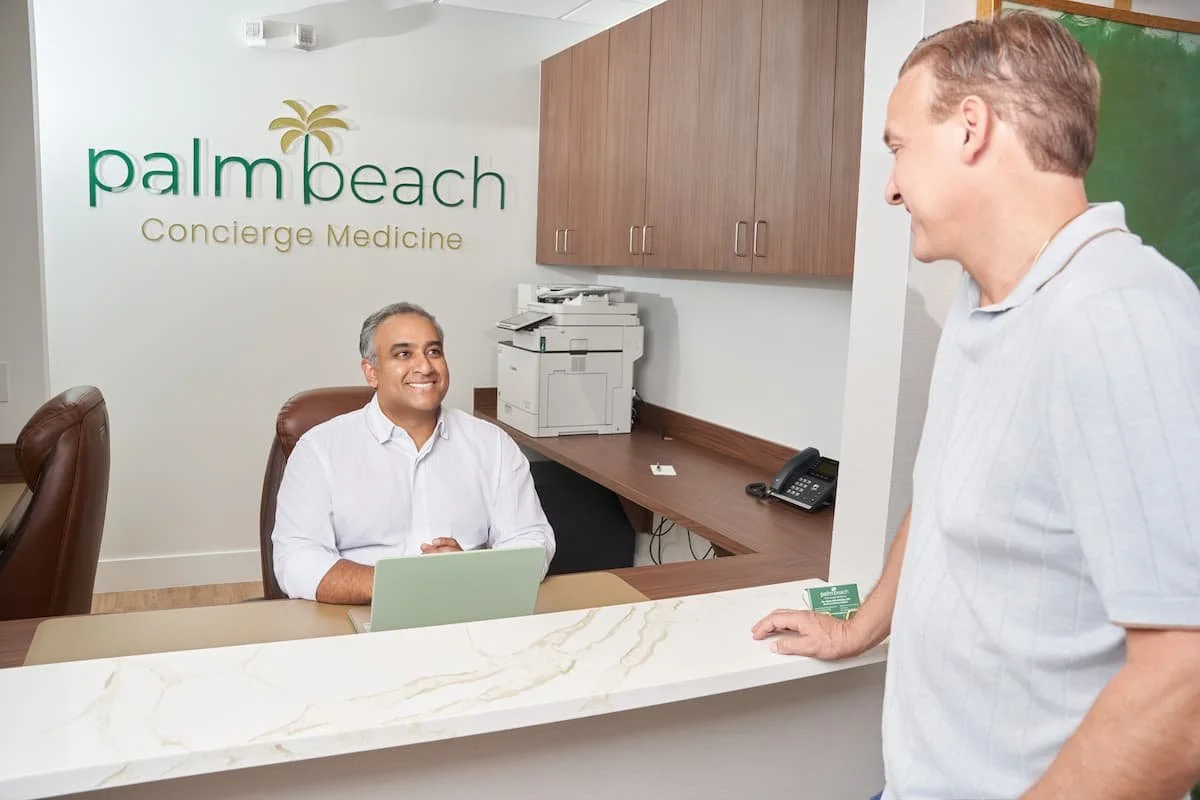
At Palm Beach Concierge Medicine, the model is designed around a smaller patient panel and more attentive visits, so care can feel personal again.
Relationship-Based Medicine
Why this model is growing
Many physicians want to provide this depth of care but are limited by the demands of a high-volume system. That is why more doctors and patients are turning to concierge medicine, a model that gives physicians the time to slow down and return to the relationship at the center of good care.
You can read more about our practice and about Dr. Aziz-Siddiqui, and decide whether this is the kind of partnership you have been looking for.
The goal is simple: more time, more clarity, better access, and a physician who understands your health beyond a single appointment.
External Resource
Helpful guidance when choosing a physician
The American Heart Association offers practical guidance on finding the right health care professional and building stronger communication during medical visits.
Finding the Right Health Care Professional
A patient-friendly guide on choosing the right physician, looking for board certification, and finding a communication style that fits your needs.
American Heart AssociationWorking With Your Health Care Professional
A useful reminder that strong medical care depends on asking questions, speaking up, and understanding the plan after each visit.
Frequently Asked Questions
Questions about choosing the right physician
What is concierge medicine?
Concierge medicine is a membership-based model in which a physician cares for a smaller panel of patients. That structure allows longer visits, direct access, and a deeper, ongoing relationship between physician and patient.
How do I know if I should switch doctors?
If you regularly feel rushed, unheard, or unsure of your next steps, or you find it hard to reach your doctor between visits, it may be worth looking for a relationship that offers more time and access.
Why does the physician-patient relationship matter?
Your physician-patient relationship affects how comfortable you feel asking questions, sharing concerns, following a plan, and reaching out when something changes. Trust and communication can make care more personal and more effective.
A Better Physician Relationship
If you are ready for a physician relationship built on time, trust, and access, we would love to meet you.
Schedule a free consultation to see whether concierge care is the right fit.
This article is for general education and is not a substitute for individualized medical advice, diagnosis, or treatment. Always talk with a qualified physician about your specific health needs. If you are having a medical emergency, call 911.
